Politics & Government
Huff Blasts Senate Approval of High-Speed Rail Bill
Sen. Bob Huff, who represents Sierra Madre, questions the priorities of his Democratic colleagues, who voted 21-16 to approval initial funding for high-speed rail.


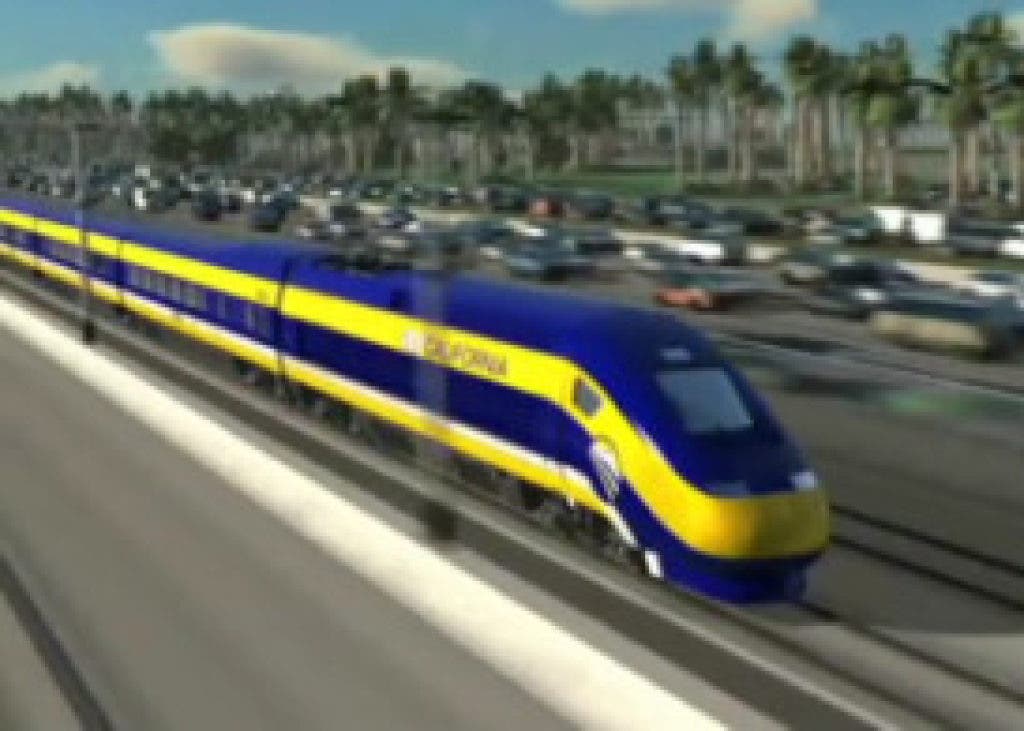
The state Senate voted Friday by a small margin to approve moving ahead with initial funding for a $68 million high-speed rail project, reported the Sacramento Bee.
The vote to move ahead with the hotly debated project was close as expected, with the Senate green lighting the bill 21-16. No Republican senators voted in favor of the Senate Bill 1029, the newspaper reported.
The Senate vote follows the Assembly's approval of its version of the bill Thursday on a 51-27 vote. The legislation calls for $5.8 billion for construction in the Central Valley, $2.6 billion in rail bond funds and $3.2 billion in federal funding. Those funds are tied to close to $2 billion to be used to revamp regional rail systems and connect them to high-speed rail.
Find out what's happening in Sierra Madrewith free, real-time updates from Patch.
Senate Republican Leader Bob Huff (R-Diamond Bar), who represents Sierra Madre among other cities, criticized Democratic lawmakers for pushing for high-speed rail when the state faces tough economic times, adding that he didn't feel they shared the same priorities as most Californians.
“On the same week we have new survey results that highlight the link between voters' declining support for new taxes should High Speed Rail be forced upon us, the legislative Democrats have done precisely that—forced High Speed Rail upon us," Huff said in a statement. The voters want a do-over vote on High Speed Rail, but the Democrats blocked legislation for a new HSR ballot measure."
Find out what's happening in Sierra Madrewith free, real-time updates from Patch.
Senate President Darrell Steinberg (D) said before the vote that the bill would boost the state's economy and improve existing rail lines.
“The new proposal before the Senate today is now greater and more immediate than just a Central Valley high-speed rail line. This new proposal, a Transit Modernization Plan, will improve, upgrade, and prepare California’s major urban areas for 21st Century mass transit demands while creating tens of thousands of jobs in areas that need them most," he said in a statement.
“California’s Transit Modernization Plan will have a near-term dramatic improvement on urban commuting experiences in Greater Los Angeles, the Bay Area, the Capital Corridor, and San Diego."
Get more local news delivered straight to your inbox. Sign up for free Patch newsletters and alerts.